Structured Cabling vs. Point-to-Point Cabling: What’s the Difference?
Support Your Business's Infrastructure
with the Right Cabling System
When planning a network infrastructure for your business, choosing the right cabling system is one of the most important decisions you'll make. The cabling that supports your computers, phones, security systems, wireless access points, and other connected devices serves as the foundation of your organization's communications network.
Two common approaches to network cabling are structured cabling and point-to-point cabling. While both methods connect devices and facilitate communication, they differ significantly in terms of organization, scalability, maintenance, and long-term performance.
What Is Structured Cabling?
Structured cabling is a standardized approach to designing and installing a network infrastructure. Instead of connecting devices directly to one another, all cables are organized through centralized telecommunications rooms, patch panels, and equipment racks.
What Is Point-to-Point Cabling?
Point-to-point cabling is a more direct approach where individual cables run from one device directly to another device. While this method may seem simple initially, it can become difficult to manage as networks grow.

The Differences Between Each Cabling System
Organization and Cable Management
One of the biggest differences between the two systems is organization.
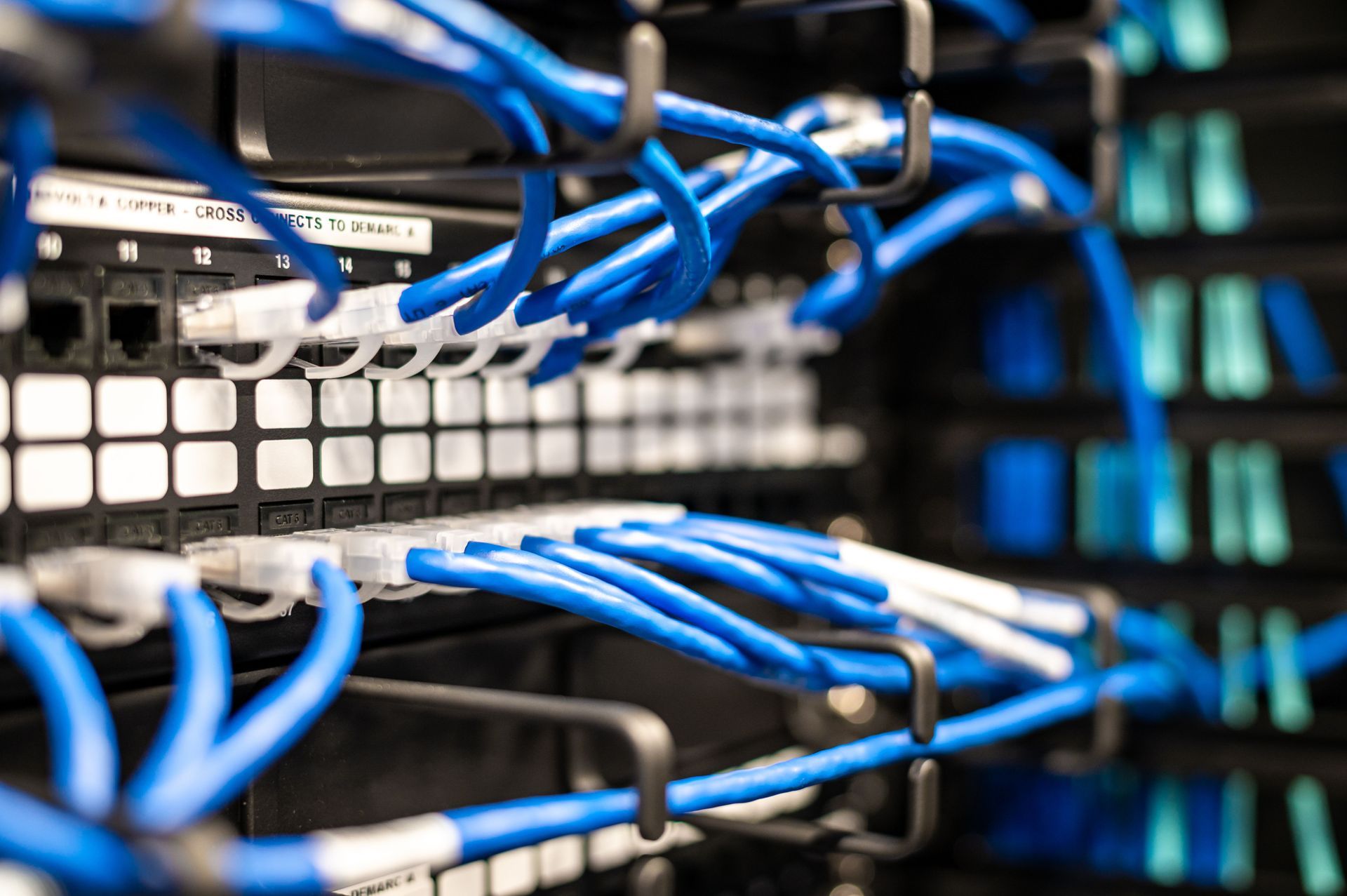
Structured cabling is designed to create a clean, organized infrastructure. Every cable is labeled, routed through designated pathways, and terminated at centralized locations. This organization makes it easier to identify, manage, and maintain network connections.
By contrast, point-to-point systems often become difficult to manage over time. As devices are added or relocated, additional cables are installed, creating a tangled network of connections that can be challenging to track and maintain.
Scalability for Future Growth
Business technology requirements rarely remain static. As organizations grow, they often add employees, workstations, security systems, wireless devices, and new technologies.
Structured cabling is specifically designed with growth in mind. New devices can be added efficiently without requiring major infrastructure changes. Additional network drops, access points, and communication systems can often be integrated into the existing framework.
Point-to-point cabling lacks this flexibility. Expanding the network frequently requires running entirely new cables and creating additional direct connections, which can increase complexity and installation costs.
Troubleshooting and Maintenance
When network issues arise, quick identification and resolution are critical.
Structured cabling systems simplify troubleshooting because every connection is documented and organized. Technicians can quickly identify cable runs, locate faults, and make repairs with minimal disruption to business operations.
In a point-to-point environment, tracing individual connections can be time-consuming, particularly when cables are unlabeled or poorly organized. This can lead to longer downtime and higher maintenance costs.
Performance and Reliability
A well-designed structured cabling system supports consistent network performance and reliability. Standardized installation practices help reduce signal interference, improve cable management, and ensure optimal connectivity throughout the building.
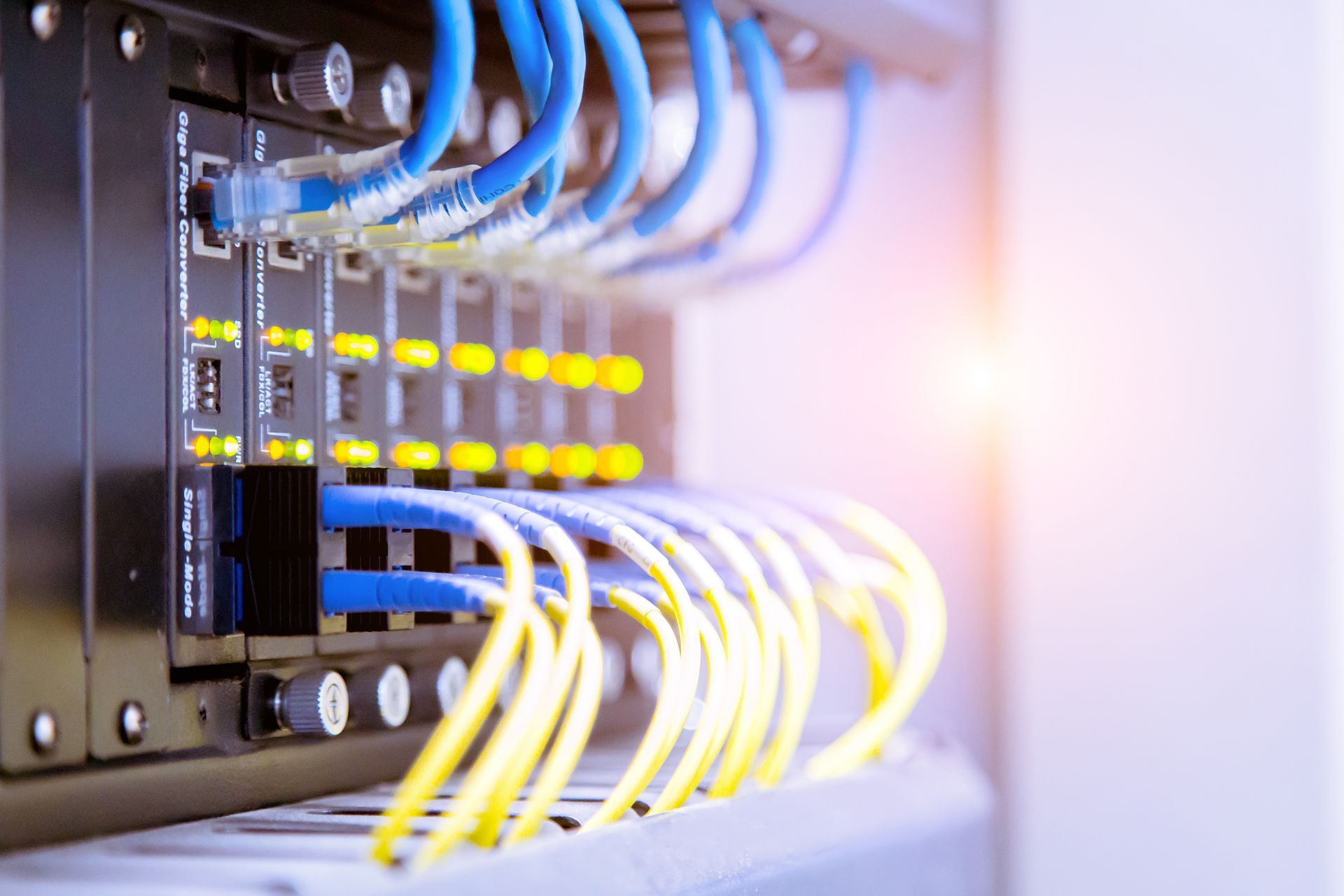
Structured cabling also supports multiple technologies from a single infrastructure, allowing businesses to efficiently manage data, voice, security, and access control systems.
Point-to-point systems can function effectively in smaller environments, but as networks become more complex, performance and reliability challenges often increase due to disorganized cable layouts and limited scalability.
Long-Term Cost Considerations
While point-to-point cabling may appear less expensive initially, the long-term costs can add up as businesses grow and infrastructure changes become necessary.
Structured cabling often provides a better return on investment because it:
- Simplifies future upgrades
- Reduces maintenance expenses
- Minimizes downtime
- Supports multiple technologies
- Extends infrastructure lifespan
For many organizations, investing in a properly designed structured cabling system helps avoid costly rework and network inefficiencies down the road.
Contact Us Today to Schedule a Free Site Survey!
Your network infrastructure plays a critical role in supporting daily operations, communication, and business growth. Choosing the right cabling system can impact performance, maintenance requirements, and future expansion opportunities for years to come.
At GPZ Cabling, we design and install structured cabling systems that help businesses create reliable, scalable network infrastructures. Our experienced team specializes in network cabling, fiber optic installations, voice and data systems, tenant buildouts, and medical facility cabling, delivering reliable infrastructure solutions tailored to each client's needs. Backed by strong manufacturer partnerships, we provide certified installations, industry-leading warranties, and the expertise needed to support both new construction and renovation projects.
Whether you're planning a new facility, renovating an office, or upgrading your existing network, our team can help you implement a solution designed for long-term success. Contact us today to schedule a free site survey!